Posted on 8/28/2026
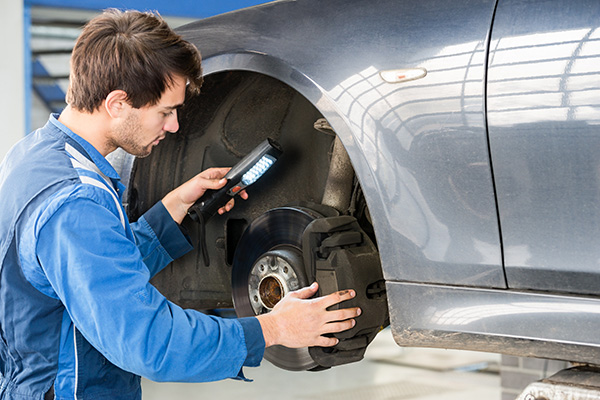
A dragging brake caliper does not always announce itself with a loud grinding noise or a warning light. Sometimes the first thing you notice is that the car feels a little heavier than normal, does not coast as far, or pulls slightly after you release the brake pedal. The problem is that one brake is staying partially applied when it should have released. We see this fairly regularly, especially on vehicles with corrosion around the caliper hardware or brakes that haven't been taken apart and closely inspected in a long time. Clues That One Brake Is Staying Applied A dragging caliper creates friction even when your foot is off the brake. Depending on how badly it is sticking, the symptoms can be subtle at first or strong enough that you know something is wrong within a few miles. Some of the clues we listen for are: The car pulls slightly while driving One wheel has much more brake dust than the others You smell something hot near one corner of the vehicle ... read more
Posted on 7/31/2026

Tires are one of those automotive purchases that absolutely nobody looks forward to making. When you buy a new set of rubber, you are dropping a significant amount of hard-earned cash on components that you immediately grind into the asphalt every single day. Because a good set of tires represents a major financial investment, it only makes sense that you would want to stretch their lifespan for as long as humanly possible. When you bring your vehicle in for a routine checkup, you will almost always hear a service advisor recommend a tire rotation. It is easy to view this as a minor, optional upcharge, especially if your car is driving straight and smooth. You might find yourself wondering if shifting the wheels around is truly necessary, or if it is just a bit of busywork for the mechanics. At our shop, we like to keep things completely transparent. Moving your tires from one corner of the vehicle to another is the single most effective way to protect your wallet from premature tire ... read more
Posted on 6/26/2026
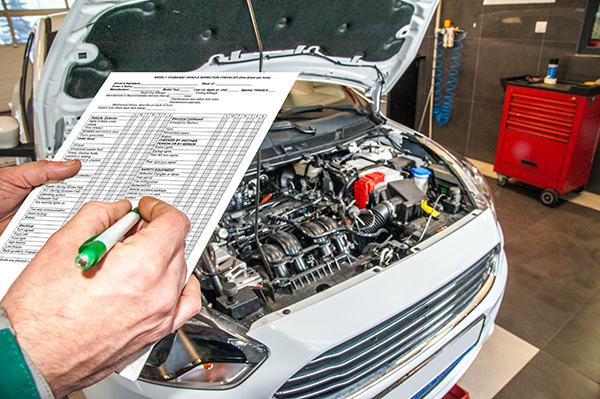
Every time a driver pulls into our service bay, we get a front-row seat to the relationship between people and their cars. It is always a pleasure to swap stories and give advice, but we also spend a lot of time unteaching advice that belongs back in the previous century. The automotive world has shifted drastically over the last few years, and by 2026, the technology under your hood is smarter and more precise than ever. Unfortunately, bad automotive advice seems to have a longer lifespan than a premium set of spark plugs. Many of the habits passed down from parents or well-meaning neighbors are completely outdated, and following them can cost you unnecessary money or even damage your modern vehicle. We want to clear the air. Here are the top auto maintenance myths that we want you to leave behind this year. The 3,000-Mile Oil Change Rule This is the big one that simply refuses to go away. Decades ago, oil chemistry was primitive, and engines had looser tolerances ... read more
Posted on 5/29/2026
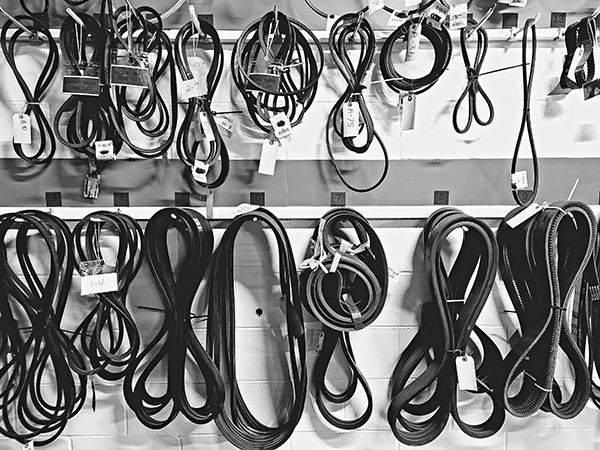
Most drivers never think about engine timing until a shop brings it up. The car may run fine, the dashboard may be quiet, and nothing under the hood looks unusual. Then someone says timing belt or timing chain, and suddenly it sounds like a repair you should already understand. You are not alone. Both parts help keep the engine moving in the right order. The difference is how they are built, how they wear, and what happens if they fail. What Engine Timing Means Inside the engine, the pistons move up and down while the valves open and close. Those movements have to be carefully timed. If the valves open at the wrong moment, the engine cannot run correctly. The crankshaft controls piston movement. The camshaft controls valve movement. A timing belt or timing chain keeps those two parts synchronized. When timing is correct, the engine can breathe, compress, ignite, and exhaust gases properly. When timing is off, the engine may run rough, lose power, set warning ligh ... read more
Posted on 4/30/2026
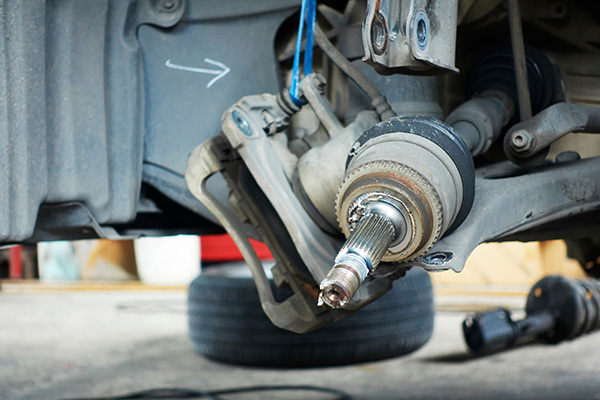
CV axles do a quiet but important job. They transfer power from the transmission to the wheels while allowing suspension and steering movement. When they begin to wear out, the signs are not always obvious right away. Many drivers continue driving without realizing something is starting to fail. Catching the early symptoms can help you avoid a more serious issue that affects how your vehicle drives. Clicking Noise When Turning One of the most common signs of a failing CV axle is a clicking or popping sound when turning, especially at low speeds. You might hear it more clearly when making sharp turns in a parking lot or pulling into a driveway. This noise usually points to a worn CV joint. As the joint loses its smooth movement, it creates that clicking sound under load. Grease Around the Wheel or Suspension CV axles are protected by rubber boots that hold grease inside the joint ... read more