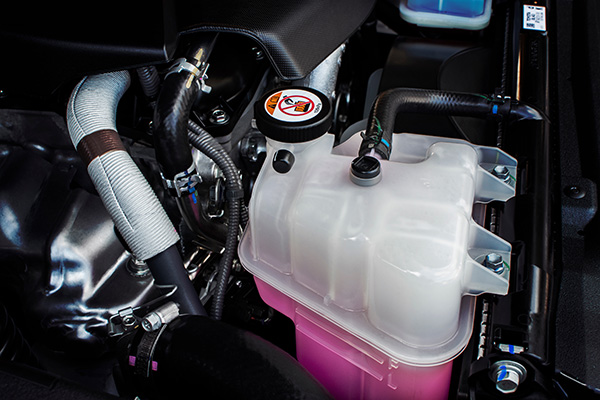
Coolant is one of those fluids people rarely think about until there is a temperature problem. The car is not overheating, the heater works, and there are no puddles under the vehicle, so it feels easy to assume the coolant is fine.
The problem is that coolant ages even when everything seems normal. It can slowly lose its protective additives, and that can lead to corrosion, buildup, and cooling system wear that shows up later as leaks, heater issues, or overheating. A coolant flush is not always needed right now, but it is often necessary on a regular schedule.
What Coolant Actually Does Besides Prevent Overheating
Coolant does more than carry heat away from the engine. It also protects the inside of the cooling system from rust and corrosion. It lubricates parts like the water pump seal. It helps prevent mineral deposits and scale. It also raises the boiling point and lowers the freezing point, which matters in both hot summers and cold winters.
When coolant is fresh, it contains additives that prevent metal corrosion and keep the system clean. As those additives wear out, the coolant may still look like coolant, but its protective ability drops. That is where long-term problems can start.
Why Old Coolant Causes Problems Even Without Overheating
A cooling system is a mix of metals, seals, and plastic parts. Over time, coolant becomes more acidic and less protective. That can lead to corrosion inside the radiator, heater core, and engine passages. It can also cause deposits that restrict flow.
Restricted flow can show up as weak cabin heat, temperature fluctuations, or overheating under load, even if the thermostat and fans are functioning correctly. Another common issue is a heater core restriction, which reduces heat output and slows defogging because the system cannot move warm air as effectively.
Old coolant can also accelerate wear on seals. That can lead to leaks at hose connections, the radiator, the water pump, or the thermostat housing.
Coolant Flush Vs Coolant Top-Off: They Are Not The Same
Topping off coolant only addresses the level. It does not fix degraded additives or contamination. If the coolant is old, adding a little more does not reset the clock. It can also dilute the mixture if water is added instead of the correct coolant blend.
A coolant flush involves draining the old coolant and replacing it with fresh coolant, sometimes with a cleaning step depending on the vehicle and the condition of the coolant. The goal is to restore the protective chemistry and clear out old fluid that has lost its ability to protect.
How To Tell When Coolant Service Is Due
The best baseline is your owner’s manual, because different coolants have different lifespans. Some modern long-life coolants can go many years or many miles. Others need more frequent service.
Even without a manual in hand, there are practical clues that coolant service may be overdue:
- Coolant looks rusty, brown, or cloudy instead of clean and consistent
- You see residue or crust around the radiator cap area, hoses, or connections
- Cabin heat has become weaker over time without another clear cause
- The temperature gauge has started fluctuating more than it used to
- You have had repeated low coolant levels, which can indicate a leak that needs attention
- Coolant color alone is not a perfect test, but obvious discoloration is a warning sign.
When A Coolant Flush Is Especially Worth Doing
There are times when a flush is more than routine. It becomes a smart preventative move.
If you are replacing a water pump, radiator, or thermostat, fresh coolant is part of doing the job correctly. If the coolant has been mixed with the wrong type, a flush can prevent chemical incompatibility that creates sludge. If the vehicle has had overheating episodes, flushing and refilling properly can help restore stable temperature control.
If the car is used for towing, heavy loads, or lots of stop-and-go driving, the cooling system sees more heat cycles. In those cases, staying on top of the coolant condition is a good way to protect expensive components.
Common Myths About Coolant Service
One myth is that coolant lasts forever because it is a sealed system. It is not truly sealed in the way people imagine. Coolant still ages, and small losses happen over time. Another myth is that if the car is not overheating, the coolant must be fine. Overheating is often the final symptom, not the first one.
A third myth is that any coolant is fine as long as it is the same color. Color does not guarantee compatibility. Different manufacturers use different formulas, and mixing the wrong types can cause problems. Using the correct specification matters.
What A Proper Coolant Service Should Include
A good coolant service is not just dumping fluid and refilling. It should include checking for leaks, inspecting hoses, checking the radiator cap condition, and verifying the system holds pressure. Air bleeding matters too, because air pockets can create temperature swings and weak heater output.
Coolant concentration is also important. Too much water lowers boiling protection. Too much concentration can reduce heat transfer. The correct mix helps the system manage heat and resist corrosion.
Get Coolant Service in McFarland, WI, with Tom's Auto Center
We can inspect your coolant condition, check for leaks, and recommend whether a flush is due based on your vehicle and driving habits. We’ll refill with the correct coolant type and mixture, bleed the system properly, and verify stable temperature operation.
Call Tom's Auto Center in McFarland, WI, to schedule coolant service and protect your engine from long-term cooling system wear.