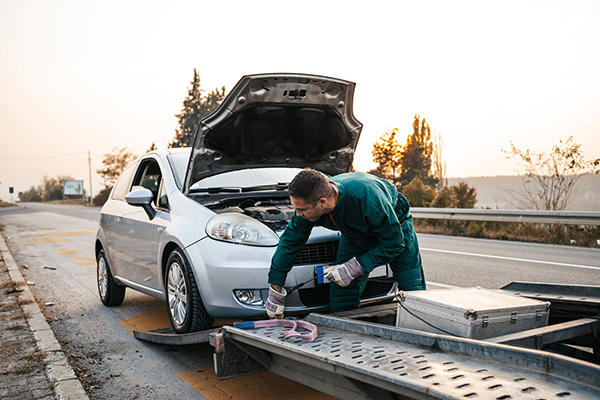
Some vehicle problems need a tow before they need another drive. A car that still moves isn't automatically safe to take home, and a warning that disappears after cooling doesn't erase what happened.
The decision depends on the fault and the road around you. Pull over safely, stop where you can separate the vehicle from traffic, and request help when the condition threatens safe operation or further damage.
Tom's Auto Center offers towing and repair services in McFarland. These 7 problems are reasons to stop driving and discuss recovery instead of hoping the car lasts a few more miles.
1. Oil Pressure Warning While the Engine Is Running
An oil pressure warning is different from a routine oil-change reminder. It means the engine's lubrication needs an immediate response according to the owner's manual. Pull over safely and shut down. Bearings and other moving surfaces depend on circulating oil, and inadequate pressure damages them quickly.
Checking the oil level after stopping is part of the vehicle's prescribed response, but you still need to review the cause. If the warning remains or its cause is unclear, arrange transport. Repeated restarts expose the engine again before pressure has been established.
2. Engine Overheating or Major Coolant Loss
An overheating warning, steam, or substantial coolant loss calls for a safe stop and engine shutdown. Continuing to run it puts the engine through excessive heat while the cooling system is already failing.
Leave hot coolant caps closed. Pressurized fluid and steam cause burns when released.
A hose, radiator, pump, or other cooling component needs inspection, and the engine's condition should be reviewed after the event. Cooling down is a change in temperature, not a repair to the failed system.
If you see flames or suspect a fire, move people and traffic away from the vehicle when safe, then call emergency services.
3. Loss of Brake Pedal Pressure or Stopping Power
A soft or sinking pedal, major leakage, or a clear loss of braking performance requires stopping use. The car needs hydraulic and brake-system inspection before returning to the road.
The distance to home doesn't reduce unexpected stops along the route. An intersection or braking vehicle still demands a response from the same faulty brakes.
Explain the pedal behavior and any warning when arranging help. Avoid treating a fluid top-off as a completed brake repair. The system needs the source of pressure loss found and corrected.
4. A Damaged Tire That Won't Hold Pressure
A tire with a bulge, exposed structural material, large tear, or damage from driving flat needs inspection and often replacement. Continued driving risks loss of control and further wheel damage.
A spare is an option only when its instructions, the vehicle's drivetrain requirements, and the roadside location permit safe use. Certain all-wheel-drive vehicles have specific restrictions.
A repair kit also has limits. It isn't designed to restore every puncture or structural failure. If the tire is unsafe or the location exposes you to traffic, arrange recovery instead of working beside passing vehicles.
5. Strong Fuel Smell or Visible Fuel Leakage
A persistent strong fuel odor, wet fuel, or dripping around the vehicle raises a fire concern. Pull over safely, shut down, and move people away from the vehicle and traffic when possible.
Avoid smoking, open flames, or trying to find the leak while the engine is running. Call emergency services for an immediate fire threat.
Towing keeps the vehicle from operating while the fuel system remains unresolved. Tell the provider about the odor or leakage before they arrive so recovery can be planned around the hazard.
6. Severe Steering or Suspension Trouble
A sudden loss of steering control, a visibly displaced wheel, or a broken suspension component means you should stop using the vehicle. The vehicle's ability to keep its path has changed. A major clunk followed by pulling or an unusual wheel position needs more than a slow trip home. Suspension and steering parts hold the wheel in the geometry the car needs for control.
After a curb or pothole impact, report the event along with the symptom. Recovery equipment should match the condition, especially if the wheel won't roll or the car cannot steer normally.
7. Severe Misfiring or Loss of Drive
A flashing check engine light with heavy shaking or major power loss commonly indicates misfiring serious enough to threaten the catalytic converter. Stop safely and arrange help.
A transmission that slips badly, refuses to engage, or loses drive presents another reason for transport. Keep trying to move it adds heat and wear to a system already struggling.
Describe whether engine speed rises without acceleration, the vehicle stalls, or the warning flashes. Those different patterns lead to different checks after the tow.
What to Tell the Towing Provider
When requesting assistance, explain:
- The exact location and direction of travel
- Which warning or failure stopped the car
- Any smoke, fuel smell, or visible leakage
- Whether the vehicle rolls, steers, and brakes
Also identify the vehicle and drivetrain. Towing procedures vary, so the provider needs the correct information before choosing equipment.
Waiting safely is part of the plan. Staying with the seat belt inside can provide separation from traffic; fire, unsafe positioning, or other immediate hazards may change that choice. Follow emergency personnel's directions and exit only when you can reach a safer place without entering traffic.
Vehicle Repair After the Tow
Recovery moves the car away from the roadside. Inspection then finds the cause and checks damage related to the failure.
Bring any service history and describe what happened before shutdown. That information helps us connect the original warning to the needed repair, rather than treating the tow as the end of the problem.
Towing and Auto Repair at Tom's Auto Center
Tom's Auto Center in McFarland, WI, offers towing and vehicle repairs after recovery. Explain the problem and roadside location when calling so we can discuss transport and the next inspection step without asking you to drive a failing car.
Call Tom's Auto Center to arrange towing and repair service when your vehicle needs help before it can safely return to the road.