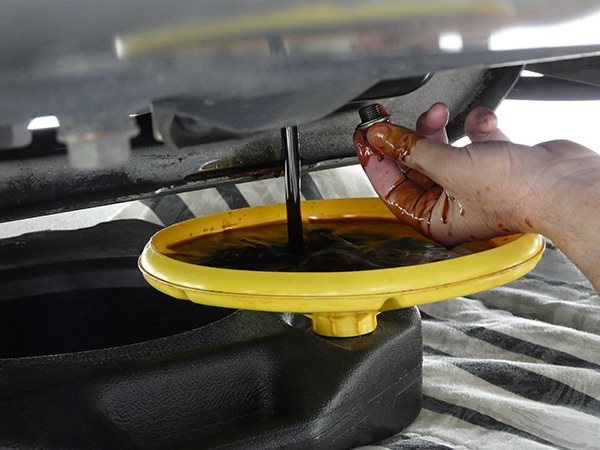
One driver changes oil every 3,000 miles, another waits 5,000, and a third follows a dashboard reminder that reaches nearly 10,000. Which one is protecting the engine? The answer depends on the vehicle, the oil specification, and how it's driven. A number that worked for a family car twenty years ago isn't automatically right for a newer turbocharged engine or a low-mileage commuter. Understanding the schedule helps you avoid both overdue maintenance and unnecessary service.
Why the Same Oil Change Interval Doesn't Fit Every Car
Engine oil lubricates moving parts, carries heat, helps control deposits, and protects surfaces from wear. Modern engines place different demands on that oil. A turbocharger, tight internal clearances, direct injection, and systems that control valve timing all influence the specification selected by the manufacturer. Two vehicles using the same oil viscosity may still require different approvals and replacement intervals.
The owner's manual remains the best starting point. It identifies the correct oil, filter requirements, and maintenance schedule for normal and severe service. We compare that guidance with the vehicle's mileage, age, and actual driving conditions. A sticker from a previous service may be convenient, but it shouldn't override the factory instructions or a documented mechanical concern.
When a 3,000-Mile Interval Still Makes Sense
The old 3,000-mile rule was a useful reminder for many older engines, but it isn't a universal standard today. Certain older vehicles, special operating conditions, or engines with known oil contamination may call for shorter intervals. An owner who regularly makes very short winter trips also exposes the oil to repeated cold starts and moisture. The correct limit depends on the manufacturer and the vehicle's condition.
Shortening the interval isn't a repair for an engine that's burning oil, leaking, or diluting its lubricant with fuel. Those conditions need an inspection and a specific plan. If the oil level drops between services, measure consumption and check for leaks. Replacing the oil more frequently may protect the engine while a problem is addressed, but it doesn't identify what caused the loss.
Why 5,000 Miles Is a Common Middle Ground
A 5,000-mile interval fits many maintenance plans, especially when the vehicle sees mixed city and highway use. Still, common doesn't mean mandatory. The correct interval could be shorter or longer according to the engine, oil approval, and time limit. Repeated stop-and-go driving, towing, extended idling, and dusty conditions increase demands on the lubricant. Wisconsin's cold winters add another factor for short-trip commuters.
When you compare service intervals, count months as well as miles. An engine that travels only 3,000 miles in a year still experiences condensation, heat cycles, and aging. Oil doesn't stay fresh forever just because the odometer barely moves. A thoughtful maintenance plan uses the manufacturer's time limit alongside mileage, not whichever number is more convenient.
Can 10,000-Mile Oil Changes Be Safe?
Some modern engines are designed for longer intervals using oil that meets a specific performance standard. When the vehicle manufacturer approves a 10,000-mile schedule, it can be reasonable under the stated conditions. That approval doesn't extend to every vehicle or every bottle labeled full synthetic. The filter, operating conditions, and time limit are part of the same service plan.
Extended intervals require regular oil-level checks. A car may consume some oil between services even when it has no visible leak. Running low reduces the protection available to bearings and other moving parts long before the next scheduled visit. Check the dipstick or electronic level display as your manual directs. If the engine starts consuming oil unusually quickly, arrange an inspection. Don't assume a longer interval still fits.
Oil-Life Monitors Need to Be Understood Correctly
Many cars calculate oil life using engine operation, temperature, driving patterns, and other inputs. These systems generally estimate remaining service life without analyzing a laboratory sample of the oil. Some use simpler mileage or time calculations. The display can be helpful, but it relies on the correct oil being installed and the monitor being reset at the proper service.
If someone reset the reminder without performing an oil change, the displayed percentage no longer reflects the lubricant's actual service history. Likewise, repeated topping off doesn't automatically renew the filter or restore every additive. We review the service record when the reminder and last invoice don't agree. Keeping the date, mileage, oil specification, and filter information makes the next maintenance decision much easier.
Driving Habits That Shorten Oil Service Life
The same engine experiences different stresses on a long highway commute and a series of two-mile errands. Short trips often end before the oil reaches a temperature that helps evaporate moisture.
Heavy towing and repeated idling create heat or operating hours that aren't obvious from mileage alone. A vehicle that spends substantial time warming up in winter also accumulates engine run time with little distance on the odometer.
Describe these conditions during your next visit:
- Frequent trips that end before the engine fully warms
- Regular towing or heavy loads
- Long periods of idling in traffic or at work
- Dusty roads and extreme temperatures
- Oil consumption or a recent low-level warning
Your owner's manual may classify some of these as severe service. An inspection can identify leaks or other problems that need repair regardless of the oil interval.
Build an Interval Around Your Actual Vehicle
Before choosing 3,000, 5,000, or 10,000 miles, confirm the engine and required oil specification. Then review the time limit, the severity of your driving, and any oil-life reminder. An engine with a mechanical problem requires its own evaluation. The goal is dependable lubrication through the full interval without spending on unnecessary services or stretching beyond what the manufacturer permits.
At an oil change, brake condition, tire wear, fluid leaks, and other safety items often warrant a basic inspection too. Those checks don't replace the specific service schedule for each component. Keeping organized records helps you see patterns and plan upcoming repairs. The right oil change interval is one you can explain using your vehicle's requirements and your driving, not a number borrowed from someone else's car.
Get Oil Change and Preventive Maintenance in McFarland, WI, With Tom's Auto Center
Tom's Auto Center in McFarland, WI, helps drivers choose oil change intervals based on factory guidance, engine condition, and everyday use. We'll review any inspection findings and the service schedule with you.
Call Tom's Auto Center or schedule your next oil change online today.