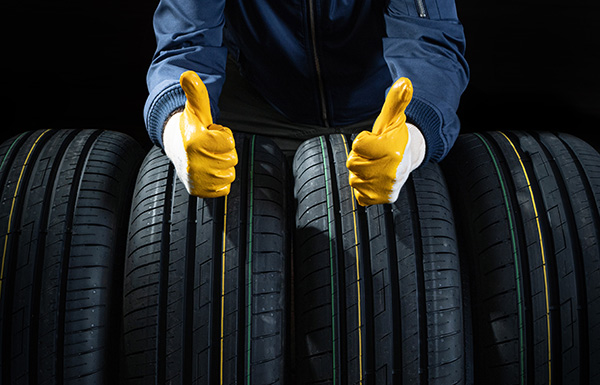
Electric cars feel smooth and quiet from the driver’s seat, so it is easy to forget how hard they lean on their tires. Extra weight, instant torque, and the way EVs brake all pile on more stress than a similar gas vehicle. That is why tire companies build EV specific rubber instead of just reusing the same old designs with a new label.
How Electric Vehicles Stress Tires Differently
EVs carry heavy battery packs, so the vehicle weight is usually higher than a comparable gas model. More weight means each contact patch between tire and road is working harder every time you accelerate, brake, or corner. That extra load is a big part of why tire choice matters.
Electric motors also deliver maximum torque immediately. When you pull away from a stop, the tires feel that surge right away instead of gradually. If the tire compound is not designed for that kind of hit, the tread can scrub away faster, especially on the driven axle.
Why EV Tires Use a Different Rubber Mix
EV specific tires use rubber blends that are built to grip under high torque without wearing out extremely fast. The compound has to walk a tight line between traction and longevity. If it is too soft, you get great grip and terrible tread life. If it is too hard, you gain range but lose confidence in the rain.
Another job for the rubber mix is noise control. With no engine masking sounds, even a slight tire roar becomes noticeable in the cabin. That is why EV tires often use layered compounds and sound absorbing features to keep road noise down at highway speeds. When we look at EV tires in the bay, you can usually see and feel that the material is not quite the same as a standard all season.
Tread Design and Rolling Resistance for EVs
Range matters to EV owners, and tread design plays a big role. EV tires are shaped and patterned to reduce rolling resistance so the car does not waste energy just pushing rubber down the road. That is why you often see smoother center sections and carefully shaped grooves that carry water away without creating too much drag.
At the same time, those grooves and sipes still have to clear water, slush, and light snow. The trick is finding a pattern that keeps enough rubber on the road for grip while still allowing the tire to roll easily. When you swap to a non EV specific tire with higher rolling resistance, you may notice a small but real drop in range even though the size matches.
Weight, Torque, and Wear Patterns You Might Notice
Because EVs are heavier and hit the tires harder on launch, you can see different wear patterns than you might expect. The front tires on many front drive or all wheel drive EVs often show faster wear on the shoulders from weight and steering combined. Rear tires on powerful models can also wear more quickly if you enjoy strong acceleration.
Regenerative braking shifts some brake work from the pads to the motor, but that does not mean the tires get a break. They still have to provide the friction that slows the car. If alignment is slightly off or pressures are low, that extra load shows up as cupping, feathering, or early shoulder wear. We pay close attention to wear patterns on EVs because they tell you how the suspension and alignment are coping with the extra mass.
What To Look For When Choosing Tires for Your EV
When it is time for new tires, matching more than just the size is important. A good EV tire choice usually checks several boxes:
- Load rating is high enough for the vehicle’s weight and cargo
- Tread pattern tuned for quiet running and low rolling resistance
- Compound designed for strong wet grip under high torque
- Speed rating that matches or exceeds the vehicle’s capability
If you want to change brands or styles, it is worth talking through how you drive. A commuter who values every mile of range might lean toward the lowest rolling resistance option. Someone who cares more about sharp handling in the rain might accept a small range trade-off for extra grip. We have those conversations often when EV owners are picking their second or third set of tires.
Habits That Help Your EV Tires Last Longer
Tire life on an EV is not just about the tire itself. Your habits play a big part. Keeping pressures at the recommended settings is huge, since underinflated tires run hotter and wear the shoulders fast under a heavy vehicle. Checking pressures at least once a month and before road trips is a simple way to save tread.
Rotating on schedule is just as important. With the extra weight and unique wear patterns, skipping rotations can cut usable tread life noticeably. Gentle launches in everyday driving, instead of flooring it at every light, also help more than most people realize. You can still enjoy the instant torque when you want it, but treating that power with a little restraint pays you back in tire costs.
Get EV Tire Service in McFarland, WI with Tom's Auto Center
If your EV tires are wearing faster than you expected, getting noisy, or coming up on replacement, a visit before they are down to the cords can save you money and range. We can inspect wear patterns, check pressures and alignment, and help you choose tires that are built for the way electric vehicles really drive.
Schedule EV tire service in McFarland, WI with Tom's Auto Center, and we will help keep your electric car riding quiet, safe, and efficient.